

Consciousness research examines how subjective experience relates to perception, attention, brain activity, and action. It can help readers understand why awareness sometimes changes a choice, but awareness alone does not make behavior ethical. The practical question is how noticing thoughts and emotions can create a pause in which a person chooses a more responsible response.
Key takeaways
- Consciousness research connects first-person experience with observable behavior and brain processes.
- Awareness can influence action by changing what a person notices, remembers, and considers.
- Researchers use several measures because no single test captures every part of conscious experience.
- Being aware of an impulse is not the same as acting responsibly on that awareness.
What does consciousness research actually study?
The field investigates how experience, awareness, and mental processes relate to the body and the world. Researchers distinguish questions such as whether someone is awake, whether they can notice a particular stimulus, and whether they can later report what they experienced. These questions overlap, but they are not interchangeable.
For example, attention is the selection of information for further processing, while conscious awareness concerns whether an experience is present to the person. A person may react quickly to a familiar cue without being able to explain what they noticed. This is one reason researchers compare several kinds of evidence instead of treating a single response as proof of awareness.
Consciousness studies brings together neuroscience, psychology, cognitive science, and philosophy. Its scientific side asks what can be measured; its philosophical side asks what those measurements can tell us about subjective experience. Keeping the two questions distinct prevents a useful brain scan or behavior test from being mistaken for a complete explanation of inner life.
How can awareness shape everyday behavior?
Awareness can alter behavior by helping a person notice a cue, recognize an emotional reaction, and consider what may follow before acting. That pause can make a different response possible, especially when habit or social pressure would otherwise take over.
Imagine a colleague challenging an idea in a meeting. Someone who notices rising embarrassment may feel the urge to interrupt or dismiss the criticism. Recognizing that reaction does not force a particular choice, but it can make room to ask what the colleague means, check the evidence, and respond without turning discomfort into retaliation.
Memory also affects these moments: past experience can shape what a person expects from a situation and how they interpret it. Understanding how memory shapes ethical behavior helps explain why the same remark can prompt curiosity in one person and defensiveness in another.
The key distinction is between awareness and ethical action. A person can notice the likely harm of a decision and still proceed. Awareness creates an opportunity to choose; emotional maturity and responsibility influence whether that opportunity is used.
How do researchers measure conscious awareness?
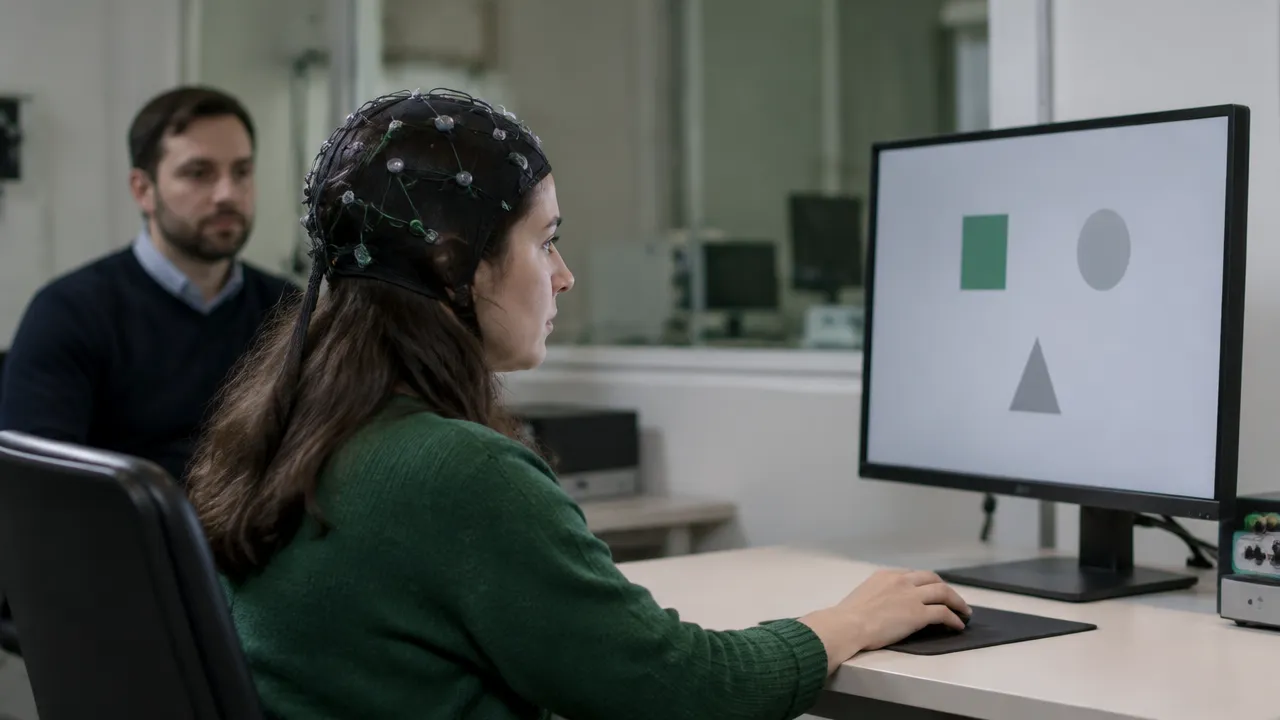
Researchers estimate awareness by comparing what participants report with what they do and with other measurable signals. Each method has limits: a verbal answer can be incomplete, a correct response can occur without a clear report of experience, and a brain signal alone does not reveal exactly what someone felt.
- Reports: Participants describe what they saw or experienced, directly or using confidence ratings.
- Behavior: Researchers test whether participants can identify, remember, or respond to information.
- Physiological measures: Brain or bodily activity is recorded alongside the task.
- Changes in state: Findings can be compared across conditions such as sleep, anesthesia, or differing levels of attention.
Combining measures makes an interpretation more informative, but it does not remove every uncertainty. Researchers must ask whether a task measures awareness itself, the ability to report it, attention, memory, or a combination of these.
What can experiments show, and what remains open?
Experiments can test how awareness varies with perception, attention, and changes in brain function. They can compare a person’s reports with task performance and investigate which conditions make a stimulus easier to notice. This gives researchers evidence about relationships and mechanisms, but it does not by itself explain why a particular experience feels the way it does.
That distinction matters. Describing the activity associated with seeing a color is not the same as explaining the subjective quality of seeing it. The question of how physical processes relate to first-person experience remains a major point of debate in philosophy and consciousness research.
Researchers also explore competing theories about how awareness arises. Some accounts emphasize the availability of information across multiple brain processes; others emphasize how information is integrated. These are proposals to be examined and compared, not interchangeable findings or settled answers.
Why awareness matters for applied ethics
Awareness becomes ethically useful when it helps bring a person’s feelings, stated values, and actions into view together. A leader who notices frustration, for instance, can examine whether a decision serves the team’s needs or merely relieves personal discomfort. That kind of self-observation is a starting point, not a substitute for accountability.
For individuals and groups, a simple practice can help turn reflection into action:
- Notice the situation and the impulse to respond.
- Name the emotion or assumption influencing the reaction.
- Check who may be affected and what evidence supports the interpretation.
- Choose a response that fits the responsibility at hand.
- Review the result and take responsibility for any harm.
This approach connects personal awareness with observable choices rather than treating insight as an achievement on its own. The difference between intention and action is especially important when a person believes they are acting well but their behavior causes harm. Distinguishing conscious action from good intentions can help make that gap easier to examine.
Frequently asked questions
Is there evidence for consciousness?
Yes. Evidence includes converging patterns from brain activity, behavior, and reported experience. Researchers can compare what people say they perceive with how they respond and with changes in brain function. This supports the study of conscious awareness, though it does not yet explain why experience feels like something from the inside.
Is consciousness in the brain?
Conscious experience is closely linked to brain activity, but the precise relationship remains debated. Studies of sleep, anesthesia, brain injury, and perception connect changes in awareness with changes in brain function. These findings help researchers investigate the mind-brain relationship, but they do not settle every philosophical question about consciousness.
How do scientists study consciousness?
Researchers compare first-person reports with task performance and measures of brain or bodily activity. They may ask participants what they saw, test how accurately they respond, or examine how awareness changes across sleep, anesthesia, or attention. No single measure captures every aspect, so studies often combine several methods.
Is panpsychism debunked?
Panpsychism is a philosophical position, not a scientific theory that has been conclusively disproved. It proposes that consciousness, or a basic form of experience, may be widespread in nature. Its central challenge is explaining how simple forms of experience could combine into the rich awareness humans report.
Does awareness automatically make behavior ethical?
No. Awareness can help someone notice an impulse or its likely effects, but noticing alone does not guarantee a responsible choice. Ethical behavior also depends on emotional maturity, values, and follow-through. A person can understand the consequences of an action and still choose it for convenience or personal gain.